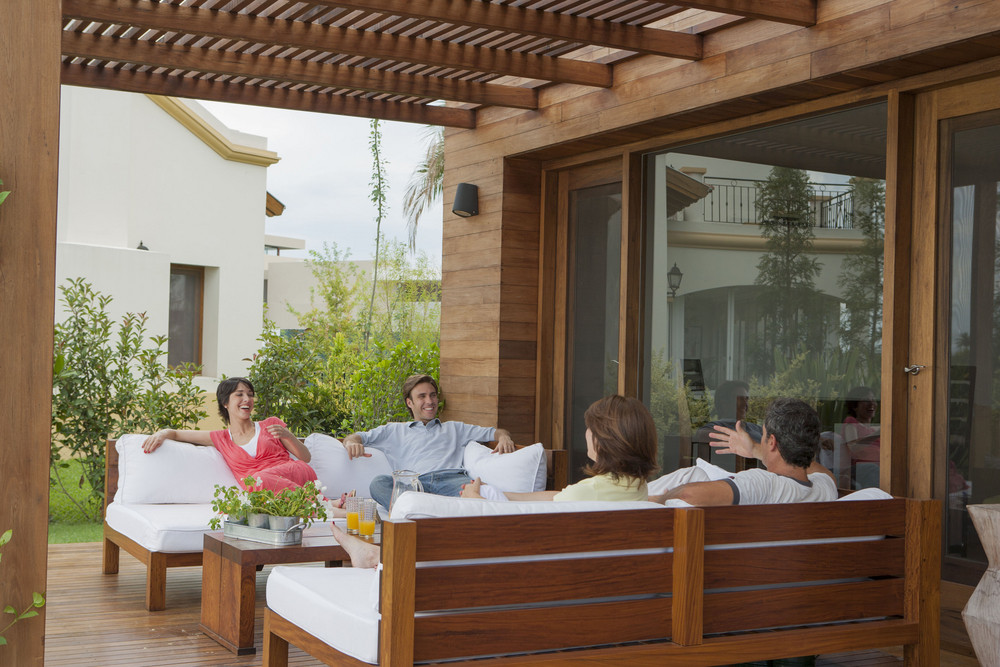
An open patio often sits unused the moment extreme weather hits, whether it is midwinter frost, summer humidity, or sudden rain. Adding the right verandah enclosures transforms an exposed slab into a resilient, year-round living space that seamlessly extends your home’s square footage.
1. What Materials Are Best for Patio Enclosures?
1.1 Pros and Cons of Glass Enclosures
Glass enclosures are a popular choice due to their ability to create a bright and airy space, inviting natural light into the patio. However, they can be costly and prone to damage, which might require frequent maintenance or repairs.
The aesthetic appeal of glass is undeniable, offering unobstructed views and a modern look to any patio. Despite their beauty, glass enclosures can become uncomfortable in extreme weather, as they tend to amplify both heat and cold.
Tempered glass offers a more durable option, providing a balance between elegance and strength. Nevertheless, for those living in areas susceptible to frequent or severe weather conditions, alternative materials might be a better fit.
1.2 Alternative Materials for Durability and Comfort
Wood is a classic choice for a rustic or natural look, offering both warmth and versatility in design. Treated wood can withstand the elements better, ensuring the longevity of your enclosure.
Metal enclosures provide a sleek and contemporary look, with materials such as aluminum and steel offering excellent durability. These materials often require less upkeep than wood, though they might not provide the same insulation qualities.
Synthetic materials, like vinyl or fiberglass, offer impressive durability and require minimal maintenance. Additionally, they can be designed to mimic the appearance of natural materials while providing superior weather resistance.
2. How to Create a Weather-Resistant Patio Enclosure?
2.1 Insulating Against Cold and Wind
One effective method for insulating your patio against cold weather is using heavy-duty covers, which can be easily applied and removed as needed. These covers provide an additional layer, helping maintain a consistent temperature within your enclosed patio.
Adding thermal layers to your enclosure, such as insulated panels or thermal curtains, is another way to guard against the cold. This not only improves comfort but also contributes to energy efficiency by reducing the need for external heating sources.
Properly sealing all gaps and openings in your enclosure ensures that cold air remains outside and warmth inside. This way, your patio is maintained as a cozy, inviting space throughout the colder months.
2.2 Protecting from Rain and Humidity
Implementing a sloped roof is a highly effective strategy to direct rainwater away from your patio. Besides protecting the enclosure itself, it also prevents water from pooling, thus preserving the space’s integrity.
Utilizing waterproof materials for your patio enclosure is crucial in areas prone to heavy rain and humidity. These materials, available in various styles, offer reliable protection without compromising on the aesthetic appeal.
Proper sealing techniques are indispensable for maintaining a dry interior space. Regularly inspecting and reapplying sealants can prevent water ingress and potential damage caused by prolonged exposure to moisture.
3. Designing a Multi-Functional Patio Space
3.1 Incorporating Furniture and Storage Solutions
Choosing outdoor furniture made from weather-resistant materials, such as teak or powder-coated metal, ensures longevity and comfort. This furniture can withstand a wide range of climates, providing reliable performance year-round.
Arranging your furniture to serve multiple purposes, like combining seating options with hidden storage, optimizes the use of limited space. Multifunctional designs add utility without compromising on style, enriching the patio’s usability.
Incorporating built-in storage units or stylish outdoor cabinets not only keeps the space organized but also protects items from the elements. Such solutions ensure your patio is always ready for spontaneous gatherings and enjoyment.
3.2 Zoning for Activities and Relaxation
Creating distinct areas within your patio enclosure enhances both functionality and enjoyment. By zoning areas for specific activities like dining, lounging, or even gardening, you maximize the potential of your outdoor space.
Using different flooring materials or levels can visually separate distinct zones without the need for physical barriers. This approach allows for an open, cohesive environment while accommodating diverse activities.
Strategic placement of lighting fixtures enriches each zone’s ambiance, ensuring that each designated area suits its intended purpose. The right lighting can transform your patio into a welcoming oasis suitable for entertaining and relaxation.
4. Enhancing the Aesthetic Appeal of Your Patio
4.1 Choosing Colors and Textures
Selecting complementary colors and textures aligns the patio design with your home’s existing architecture. This ensures a seamless transition between indoor and outdoor spaces, boosting the overall aesthetic coherence.
Light, neutral shades can make smaller areas appear larger, while bold colors add character and vibrancy. Textural elements, like stone or wood finishes, introduce warmth and variety, enriching the sensory appeal of the environment.
Combining different textures harmoniously allows you to cultivate a personalized ambiance that reflects your style preferences. Thoughtful design elements like these can enhance the visual appeal and enjoyment of your patio year-round.
4.2 Incorporating Natural Elements
Integrating plants into your patio enclosure brings a touch of nature to the environment, supporting a serene and inviting atmosphere. Selecting a variety of plants that thrive in different seasons ensures continuous greenery throughout the year.
Adding water features, like a small fountain or pond, can create a tranquil focal point within your patio. The calming sound of running water enhances relaxation, turning your space into a peaceful retreat from daily routines.
Natural decor elements, such as stone pathways or wooden accents, establish a harmonious connection with the outdoors. These additions not only beautify your enclosure but also promote a relaxing ambiance suitable for both entertainment and reflection.
With the right materials, effective insulation, and thoughtful layout zones, an enclosed patio evolves from a seasonal luxury into an enduring extension of your daily living space. Because regional climate swings and structural demands vary, prioritize the elements that match your specific environment—balancing airflow, durability, and weather protection. Take inventory of how you intend to use the area across the seasons, evaluate your local weather patterns, and start designing an enclosure that works year-round.