Dust is one of those household problems that seems never-ending. No matter how often you wipe, vacuum, or sweep, it always comes back. While it’s impossible to eliminate dust completely, you can dramatically reduce how much builds up in your home. Learning how to reduce dust in the house is not only about keeping things tidy – it’s also about improving your health, protecting your belongings, and creating a more comfortable living environment.
This guide will walk you through everything you need to know about dust, where it comes from, and the best methods to keep it under control.
A Closer Look at Everyday Dust
Dust isn’t just dirt. It’s actually a mix of different particles, including:
- Dead skin cells
- Pet dander
- Hair and fibres from clothes, furniture, and carpets
- Soil and pollen brought in from outside
- Dust mites and their droppings
Because dust is a combination of organic and inorganic material, it can irritate allergies, affect air quality, and even harm electronics if left unchecked. That’s why reducing dust is more than just a cleaning chore – it’s a step toward a healthier home.
Why Dust Is a Problem in Homes
Dust build-up is more than unsightly. It can have real effects on your lifestyle and health:
- Allergy flare-ups: Dust mites and particles can trigger sneezing, itchy eyes, and respiratory issues.
- Asthma triggers: Those with asthma may find symptoms worsen in dusty environments.
- Dirty surfaces: Furniture, shelves, and floors look dull and unclean when covered in dust.
- Damage to electronics: Dust can clog vents and fans, reducing the lifespan of computers, TVs, and other devices.
Understanding the consequences makes it clear why learning how to reduce dust in the house is worth the effort.
Step 1: Establish a Regular Cleaning Routine
The best way to fight dust is through consistency. Regular cleaning prevents dust from building up and spreading.
Tips for effective dusting and cleaning:
- Dust top to bottom: Always start with higher surfaces like shelves and cabinets, then move down to tables, chairs, and finally floors. This ensures falling dust doesn’t resettle on cleaned areas.
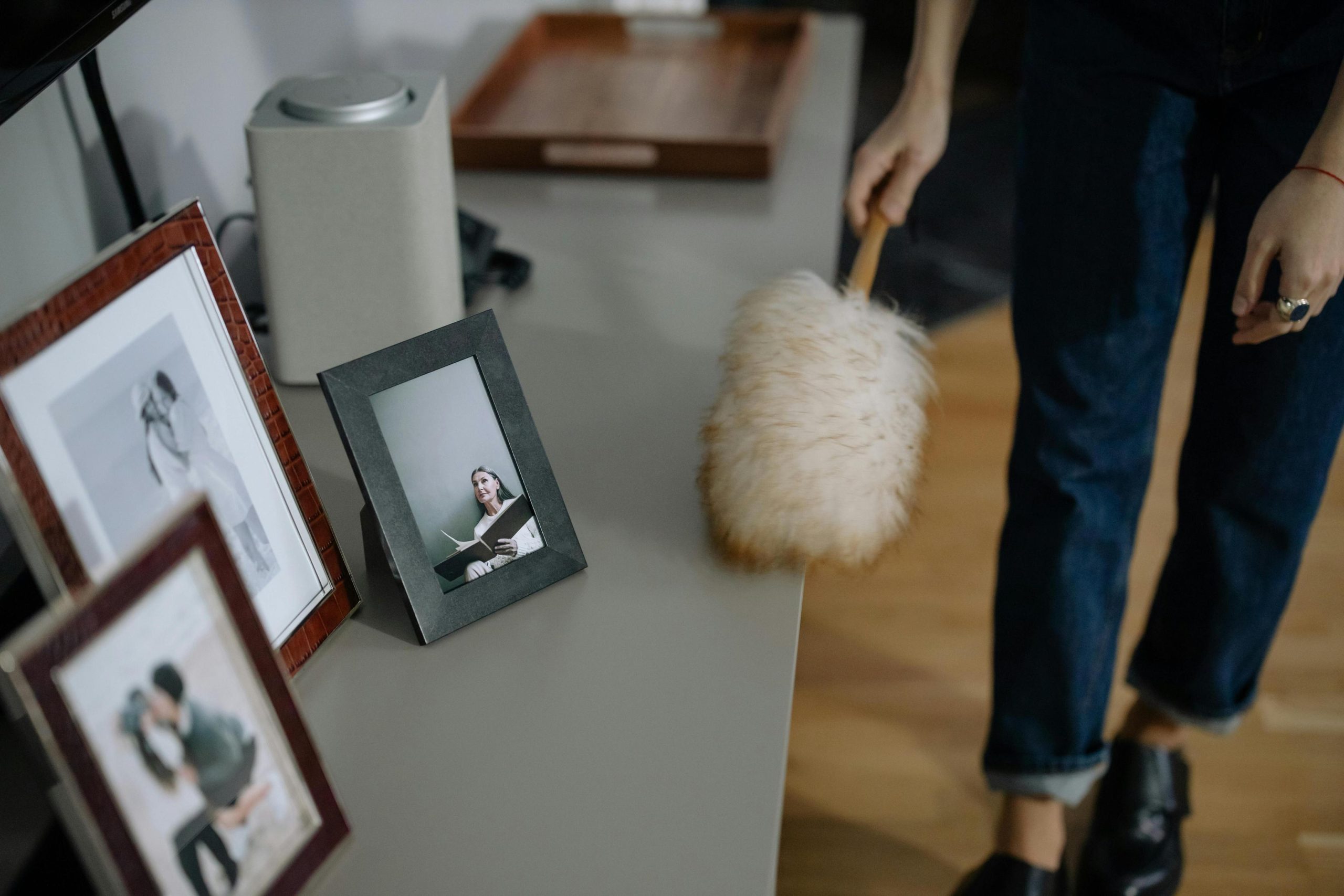
- Use a damp cloth or microfibre duster: Dry dusting often just pushes particles around. A damp cloth or microfibre cloth traps dust instead of spreading it.
- Vacuum weekly: Make vacuuming carpets, rugs, and upholstery a habit. For best results, use a vacuum with a HEPA filter.
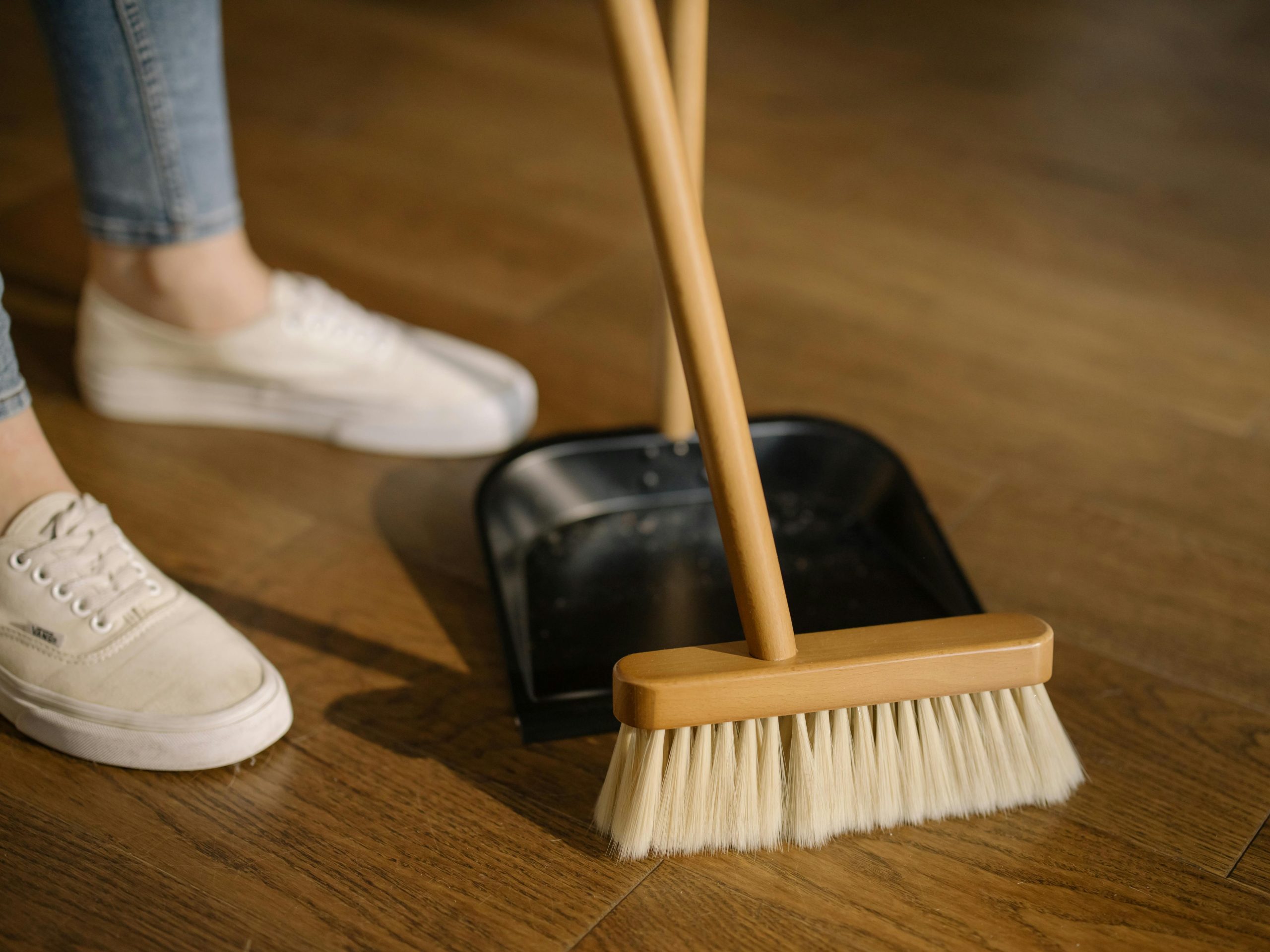
- Mop hard floors: After vacuuming, use a damp mop to collect leftover dust.
Consistency is key. Even 15 minutes of daily cleaning can prevent dust from becoming overwhelming.
Step 2: Control Sources of Dust
You can reduce dust more effectively by addressing its sources.
- Shoes off at the door: Shoes track in dirt, pollen, and dust from outside. Have a shoe rack or basket by the entrance to keep your home cleaner.
- Brush pets regularly: Pets shed fur and dander that add to dust. Regular grooming reduces how much ends up in your home.
- Wash bedding often: Sheets, pillowcases, and blankets collect skin cells and fibres. Wash them weekly in hot water to reduce dust mites.
- Keep windows closed on windy days: While fresh air is nice, wind can bring in pollen and dust from outside.
By minimising sources, you cut down on how much dust you need to clean.
Step 3: Upgrade Your Vacuum Cleaner
Not all vacuums are created equal. If you’re serious about reducing dust, investing in a vacuum with the right features makes a big difference.
Look for these features:
- HEPA filter: Captures tiny dust particles and allergens instead of blowing them back into the air.
- Strong suction: Essential for pulling dust from carpets and upholstery.
- Attachments: Tools for reaching corners, blinds, furniture, and tight spaces.
Vacuuming once or twice a week with a high-quality machine keeps dust under control far better than a standard vacuum.
Step 4: Improve Indoor Air Quality
Dust isn’t just on surfaces – it’s floating in the air too. Reducing airborne particles can help you maintain a cleaner home.
Some effective methods include:
- Air purifiers: These devices filter out dust, pollen, and allergens. If you’ve ever wondered, do air purifiers remove dust, the answer is yes – many models are designed specifically for that purpose.
- Maintain air conditioning and heating systems: Change filters regularly to prevent dust build-up inside vents.
- Keep humidity levels balanced: Too much humidity encourages dust mites, while too little makes dust more airborne. Aim for around 40–50% humidity indoors.
Improving air circulation and filtration can noticeably reduce how quickly dust settles.
Step 5: Declutter Your Home

Clutter attracts dust. The more surfaces you have, the more places dust can land.
- Store items in cabinets or bins: Open shelves collect dust quickly.
- Minimise fabric-heavy décor: Cushions, rugs, and curtains hold dust. Use washable covers and clean them often.
- Keep countertops clear: This not only makes cleaning easier but also reduces how much dust settles in living areas.
A minimalist approach doesn’t just make your home look cleaner – it actually helps it stay cleaner.
Step 6: Wash & Replace Fabrics Regularly
Soft furnishings are magnets for dust. Fabrics like curtains, upholstery, and bedding need regular attention.
- Curtains: Wash or vacuum every few months. Consider blinds if you want lower-maintenance options.
- Cushions & throws: Wash covers frequently to reduce dust mites and hair.
- Mattresses: Vacuum and rotate them every few months. Use allergen-proof covers for extra protection.
Since fabrics release fibres, maintaining them well helps reduce the dust that spreads throughout your home.
Step 7: Maintain Your Floors
Floors collect dust quickly, especially in busy households. Different flooring types need different cleaning approaches:
- Carpeted floors: Vacuum at least once a week, and deep clean with a carpet cleaner every few months.
- Hardwood floors: Sweep or vacuum regularly, then mop with a damp cloth. Avoid excess water, as it can damage wood.
- Tiles or vinyl: Vacuum, then mop with warm water and mild cleaner.
Maintaining floors reduces the largest dust reservoir in your home.
Step 8: Protect Your Electronics
Dust and electronics don’t mix well. Dust can clog vents, reduce cooling efficiency, and even cause devices to overheat.
- Wipe devices weekly: Use a microfibre cloth on screens and surfaces.
- Vacuum vents: Use a soft brush attachment to gently clean around fans and air vents.
- Keep devices elevated: Raising electronics off the floor reduces how much dust they attract.
By keeping your electronics dust-free, you extend their lifespan and performance.
Step 9: Consider Long-Term Improvements
Sometimes small lifestyle changes aren’t enough, and larger home upgrades can make a lasting difference.
- Install hardwood or tile flooring instead of carpet: Easier to clean and less likely to trap dust.
- Replace old furniture: Worn upholstery sheds fibres that add to dust.
- Improve insulation: Gaps in windows and doors let in dust from outside.
- Duct cleaning: If you notice dust coming from vents, consider a professional duct clean.
These investments can reduce dust for years to come.
Final Thoughts
Learning how to reduce dust in the house is about combining habits, tools, and smart home choices. While you can’t stop dust completely, you can make it far more manageable.
- Clean consistently with the right tools
- Reduce dust at the source by managing pets, fabrics, and clutter
- Improve air quality with purifiers and filters
- Protect surfaces and electronics with regular upkeep
By following these steps, you’ll not only enjoy a cleaner home but also better health, longer-lasting belongings, and a more comfortable living environment.